
DampServe · North Wales moisture investigations
Condensation & Mould Surveys North Wales
Professional investigations and written reports for homeowners, tenants, private landlords, letting agents, councils and housing associations. We identify likely moisture causes and recommend practical improvements or suitable treatment where needed.
Water on walls, floors or windows?
Find out where the moisture is coming from
Wet walls, puddles on floors and black mould can look like water entering the property. Condensation on cold surfaces can cause similar symptoms. We assess the evidence rather than guessing.
Responsible for a rented property?
Written investigations for housing providers
Clear technical findings help private landlords, managing agents, councils and housing associations respond to complaints, plan suitable action and communicate what has been observed.
Professional paid surveys from £190 · Written PDF reports · Appropriate remedial work where justified
One symptom, several possible causes
Water coming through walls or up through the floor? It might be condensation.
People understandably worry that a damp wall or a wet floor means water is penetrating the building or rising from the ground. Sometimes that is the cause. In other properties, humid indoor air condenses on cold walls, floors and other surfaces, making them visibly wet.
Wet walls and skirting boards
Cold wall surfaces, thermal bridges and trapped moisture behind furniture can cause droplets, staining or black mould. We also check for signs of leaks and rain penetration.
Moisture on floors
Cold floors, glazing and poorly ventilated corners can accumulate surface condensation. Dampness may also result from defects, leaks or ground-related moisture and needs investigation.
Mould that keeps coming back
Cleaning visible mould without addressing persistent moisture may not prevent recurrence. We examine possible building and indoor-environment contributors.
Important: photographs or moisture-meter readings alone may not establish the source. A site inspection can help distinguish condensation, penetrating damp, genuine rising damp and plumbing or roofing leaks.
Why mould forms
Cold surfaces can become wet even without a leak
Condensation is caused when moisture in the air meets a sufficiently cold surface. It is often seen around windows, on external walls, behind furniture or in rooms with limited air movement.
Water can collect as droplets and cause staining, wet plaster, mould and damage to finishes. But condensation is only one possible explanation: the survey also considers rain penetration, plumbing issues, ground-related damp and other defects.
Identifying the cause helps avoid unnecessary damp-proofing work and directs attention to measures that will actually reduce moisture.
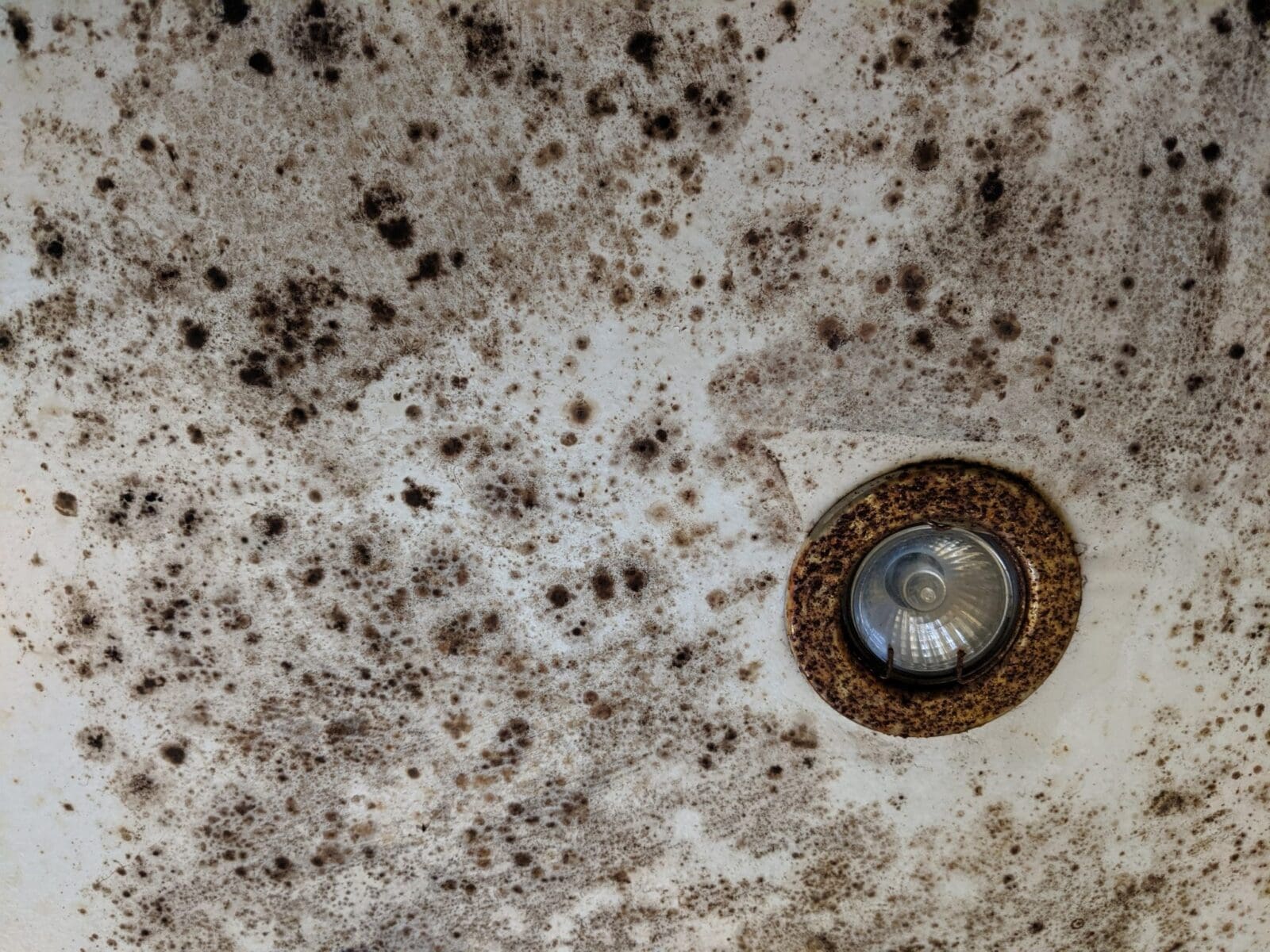
Condensation and building-related damp can look similar. The inspection helps distinguish them.
For every property type
Condensation and mould investigations for people who need answers
Whether you own, rent or manage the building, our starting point is the same: assess the available evidence and recommend appropriate next steps without assumptions or blame.
Homeowners
Understand why bedrooms, bathrooms, kitchens or external walls remain damp, and whether improved extraction, ventilation, heating, insulation or repairs could help.
Tenants
Arrange an inspection, subject to access permission, to understand observed damp and mould conditions and receive technical findings that can be shared with the property owner or agent.
Private landlords & agents
Investigate reported mould, identify likely contributing factors and obtain written recommendations to support repair decisions and communication with residents.
Councils and housing teams
Request property-specific investigations and written technical reports to help assess complaints, recurring issues and appropriate remedial priorities.
Housing associations
Support proactive inspections, review persistent condensation complaints and identify whether ventilation improvements or other building works are appropriate.
Managing agents and professionals
Obtain a documented assessment of observed conditions, relevant limitations and recommended next steps for the property and occupants.
Fair, evidence-led findings
We investigate the building and the indoor conditions — not who to blame
Condensation can be influenced by ventilation, heating, insulation, moisture generation, occupancy patterns and building defects, often in combination. A tenant’s lifestyle or a landlord’s maintenance should never be assumed to be the cause before the evidence is considered.
Ventilation and extraction
We look at whether bathrooms, kitchens and other moisture-producing spaces have suitable ventilation, how extraction operates and whether airflow is restricted.
Heating and cold surfaces
Low surface temperatures, thermal bridging, insufficient or inconsistent heating and insulation defects can increase condensation risk.
Building defects and moisture entry
Where accessible and relevant, the inspection considers roofs, gutters, walls, external levels, drainage, leaks and other possible moisture sources.
What the report is for
We describe the observed conditions, likely causes, inspection limitations and practical recommendations. Reports can help everyone understand the problem and the proposed solution, but they are not a legal ruling on who is responsible or whether a dwelling complies with housing law.
Survey first, remedial work if appropriate
Many condensation problems need practical improvements, not damp-proofing injections
Once the moisture source is understood, the solution may involve suitable extractor fans, improved background ventilation, better air movement, heating and temperature management, moisture-control measures or adjustments to everyday routines.
We can explain relevant actions in a constructive way, without criticising occupants. Where an extractor fan, ventilation upgrade or other suitable work is required, DampServe can discuss and quote for appropriate remedial measures within our services.
If the investigation instead identifies a leak, penetrating damp, a genuine damp-proofing problem or affected timber, we can recommend repairs and quote for suitable specialist treatment where justified.
Possible outcomes
The right approach depends on the cause
- Bathroom or kitchen extractor fan improvements
- Ventilation and air movement recommendations
- Heating and surface-temperature considerations
- Advice on managing indoor moisture
- Repair of identified leaks or rainwater defects
- Appropriate mould remediation and safe reinstatement
- Specialist damp-proofing work only where supported by the findings
Not every solution requires building work, and not every problem is caused by condensation.
Professional inspection and reporting
What a condensation and mould survey can include
The exact assessment depends on the property, access, available evidence and the agreed inspection scope.
Moisture and mould patterns
Visible staining, condensation, areas of mould, relevant moisture measurements and the location of affected surfaces.
Ventilation and thermal conditions
Available extraction, airflow, humidity, cold surfaces, temperature patterns and insulation concerns where relevant.
Building and maintenance issues
Relevant accessible external defects, water entry routes, leaks, bridging or other causes that may resemble condensation.
Practical recommendations
Proportionate options for ventilation, heating, moisture management, maintenance and further investigations if the evidence is inconclusive.
Written PDF report
Clear observations, likely contributing factors, limitations and suggested next steps, suitable for discussion between relevant parties.
Quotation where justified
Standard paid surveys may include a no-obligation quotation for suitable DampServe remedial work when supported by the findings. Report-only surveys can be requested.
Welsh rented homes
Condensation, mould and housing responsibilities in Wales
For rented homes in Wales, the Renting Homes (Fitness for Human Habitation) (Wales) Regulations 2022 include damp and mould among the matters relevant to whether accommodation is fit for human habitation.
Landlords and housing providers should take complaints seriously and investigate appropriate action. Our survey supplies technical observations and recommendations; it is not a statutory inspection, a court determination or legal advice.
Awaab’s Law applies in England, not Wales. We can explain the difference in supporting guidance without suggesting English legal deadlines apply to Welsh homes.
Read Welsh Government fitness-for-human-habitation guidance.
For councils, associations and landlords
Useful evidence for planning action
A written report can describe what was accessible, what was observed, likely moisture sources and recommended next steps.
That helps housing teams consider measures such as effective ventilation, safe removal of mould, building repairs and further assessment where necessary.
Occupants’ circumstances and building conditions should be considered fairly. A technical report does not remove a housing provider’s legal duties.
North Wales coverage
Condensation and mould surveys throughout North Wales
Our North Wales service area includes homes, private rentals, social housing and managed properties in all six counties. Confirm fees and availability for the postcode before booking.
Flintshire
Mold, Buckley, Deeside, Flint, Holywell and surrounding areas.
Anglesey
Holyhead, Llangefni, Menai Bridge and villages across the island.
How to book
From complaint or concern to clear next steps
Step 01
Explain the problem
Send the postcode, affected rooms, photos if available and details of how long the problem has occurred.
Step 02
Agree the inspection
We confirm the scope, suitable access permissions, price and any specific reporting requirements.
Step 03
Assess the conditions
We inspect the agreed accessible areas and consider building defects and indoor-environment factors.
Step 04
Receive recommendations
A written report sets out findings and recommended action, with suitable remedial quotations where justified.
Common questions
North Wales condensation and mould survey FAQs
Yes. Moist indoor air can condense on cold surfaces and make walls visibly wet. Leaks and rain penetration can produce similar symptoms, so the cause should be checked.
Yes, condensation can form on cold floor surfaces in some conditions. Water on floors can also come from leaks, defects or ground-related moisture and needs investigation.
Yes, we welcome enquiries from councils and social housing providers. The scope, access arrangements, reporting requirements and availability are agreed before inspection.
Yes. We provide technical findings that can help landlords assess reported problems and plan appropriate action without assuming who or what caused them.
Yes, subject to suitable access arrangements and any necessary permission. We can provide written findings about observed conditions and recommendations.
No. Our reports describe observations, likely contributing factors and recommendations. They are not legal decisions about responsibility.
DampServe can discuss and quote for suitable ventilation improvements, extractor fan work and other remedial measures within our services where justified by the inspection. We also provide appropriate specialist damp treatments when necessary.
No. Condensation, building defects, water leaks, insufficient heating, insulation issues and several interacting factors can contribute. The cause should not be assumed.
In some properties, practical changes to heating, ventilation, airflow and indoor moisture can reduce condensation. These must be considered alongside the building condition and the needs of residents.
Yes. Reports are supplied as PDFs by email and document findings within the agreed inspection scope, including relevant limitations and recommendations.
No. Awaab’s Law is legislation for England. The Renting Homes (Fitness for Human Habitation) (Wales) Regulations 2022 are relevant to rented homes in Wales.
Professional paid surveys start from £190. The confirmed fee depends on property size, travel, location, access and the agreed inspection and reporting scope.
Yes. If the evidence supports penetrating damp, leaks, damp-proofing defects or timber damage, the report can recommend appropriate repair or further investigation and a quotation for suitable DampServe work where relevant.
We welcome enquiries throughout Wrexham, Flintshire, Denbighshire, Conwy, Gwynedd and Anglesey. We confirm availability and fees for the property postcode.
North Wales damp and mould enquiries
Request a condensation and mould investigation
Tell us the property postcode, who is arranging the inspection, the affected rooms and what has been reported. Landlords, agents, councils and housing associations can outline any written reporting requirements when enquiring.
Email: info@dampserve.com · Telephone: 0800 368 9161
DampServe · North Wales
Understand the moisture. Choose the right solution.
Surveys, written reports, ventilation improvements and suitable damp or mould remedial work when justified.