
DampServe · North Wales timber decay specialists
Dry Rot Survey & Treatment North Wales
Professional dry rot investigations, written timber reports and appropriate remedial treatment across Wrexham, Flintshire, Denbighshire, Conwy, Gwynedd and Anglesey.
Suspected fungal decay?
Dry rot surveys for homeowners
We investigate signs of timber decay, damp conditions and likely moisture sources, then explain the evidence and any necessary next steps before recommending treatment.
Buying or selling a property?
Written dry rot and timber reports
A specialist survey can assess concerns raised during a Building Survey or property purchase, with written findings appropriate to the agreed accessible inspection scope.
Paid surveys from £190 · Written PDF reports · Quotations for justified works
Understand the problem
What is dry rot, and how is it identified?
Dry rot is a form of fungal decay affecting timber. Its presence and extent cannot be confirmed by a photograph or damp-meter reading alone; inspection of the available evidence and moisture conditions is important.
Signs worth investigating
Timber that has become brittle or cracked, fungal growth, a musty odour or unusual damage can justify further examination. These signs are not a diagnosis by themselves.
Identify the moisture source
Roof leaks, rainwater defects, plumbing leaks, poor subfloor conditions or persistent moisture may allow decay to develop. The source of water must be investigated.
Dry rot or wet rot?
Different fungi and building conditions can require different repair scopes. We consider accessible evidence and recommend further identification where a reliable conclusion cannot be reached.
Our approach: confirm what can reasonably be established, identify contributing moisture sources and specify proportionate treatment and repairs only where justified.
Technical investigation
What a dry rot survey may include
We assess the relevant accessible parts of the property, taking account of the agreed survey instructions and limitations.
- Visible timber decay and suspected fungal growth
- Moisture sources, defects and relevant ventilation conditions
- Accessible floor, wall, roof and structural timbers where relevant
- Possible spread into concealed areas and need for opening-up
- Identification or further specialist investigation where necessary
- Written recommendations and appropriate remedial options
Where further opening-up or a structural engineer is needed, we can recommend that rather than assume hidden timbers are sound.

The extent and cause of timber decay should be assessed before remedial work.
Surveys and remedial work
Dry rot treatment and timber repairs in North Wales
DampServe provides surveys, written findings and, where supported by the diagnosis, quotations for suitable treatment or repairs.
Fix the moisture source
A sustainable repair begins by addressing relevant leaks, defective rainwater goods, drainage or other conditions that keep timber damp.
Assess affected timber
Damaged structural or joinery timber may require appropriate removal, repair or replacement. We explain when further opening-up or structural advice is needed.
Targeted remedial treatment
Treatment depends on the identified decay, building construction and accessible conditions; blanket chemical treatment is not automatically justified.
Ventilation and drying
Depending on the property, improving ventilation and allowing appropriate drying may form part of the remedial plan.
Associated building repairs
Defective plaster, masonry, flooring or concealed areas may need coordinated investigation and repairs, with the scope agreed before work.
Written report and quotation
A standard paid survey can include a no-obligation quotation for suitable DampServe works where justified. Report-only inspections are available on request.
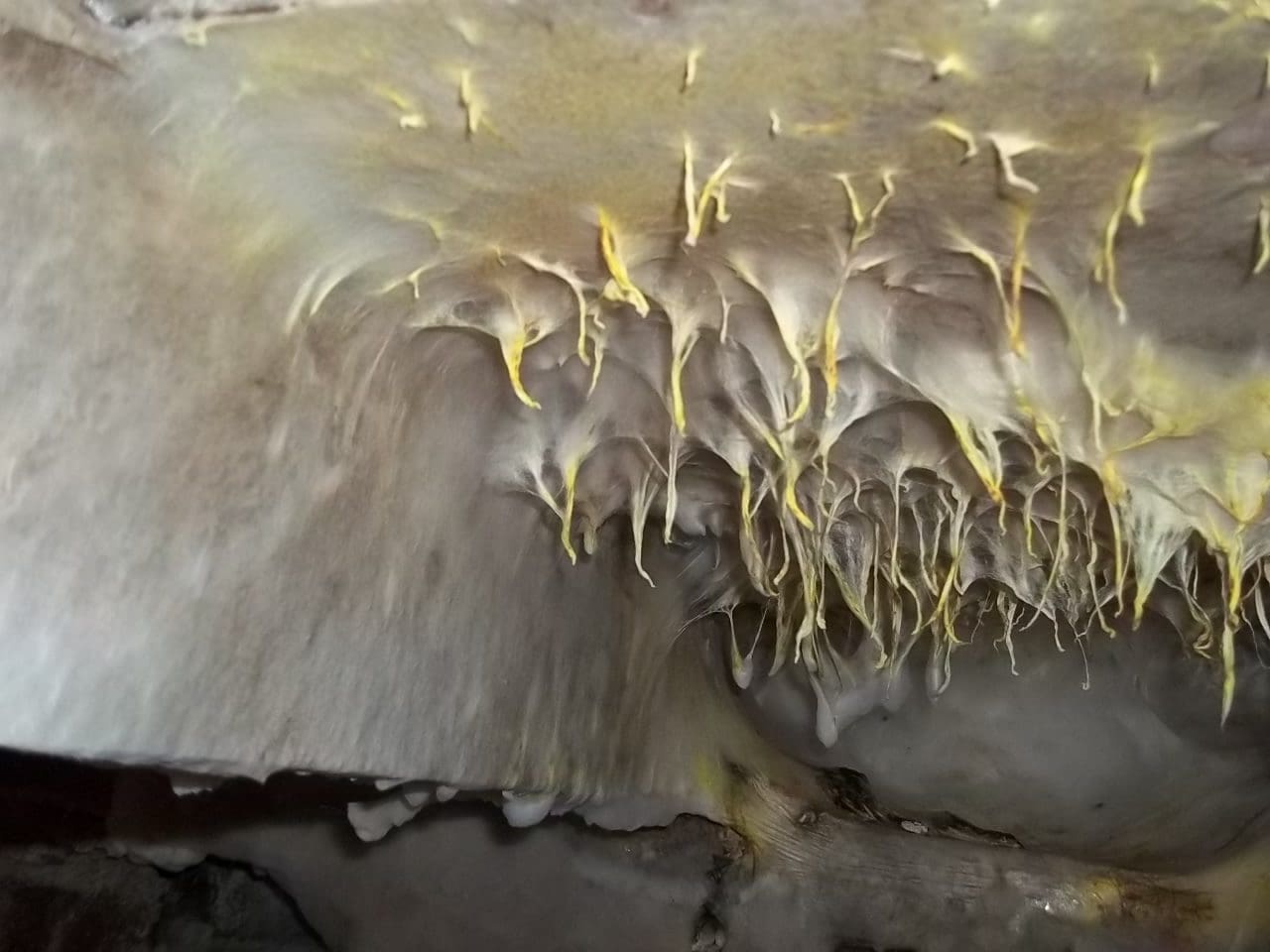
Concealed floor timbers may need further inspection where decay is suspected.
Different fungal decays
Dry rot versus wet rot: why it matters
Wet rot and dry rot can both damage timber, but they do not always call for the same treatment or scope of repairs. The fungal type, moisture conditions and extent of damage need careful assessment.
Misdiagnosis can result in unnecessary work or leave an important moisture source unaddressed. We avoid assuming that every soft joist or damaged skirting board has dry rot.
Property purchase and mortgage concerns
Dry rot reports for homebuyers, sellers and landlords
If a HomeBuyer Report, Building Survey or valuation raises suspected dry rot, a targeted timber inspection can clarify visible findings and next steps.
Pre-purchase timber survey
Tell us what your existing report says and which parts of the property require inspection. Access and survey limitations will be explained.
Written findings
Reports may describe visible decay, moisture evidence, likely causes, inspection limitations and recommendations for further checks or repairs.
Older buildings and compatible repairs
JPS 2022 and traditional North Wales properties
Traditional stone cottages, lime-built terraces and converted historic buildings may need a whole-building moisture investigation before treatment is specified.
Investigate the whole building
The 2022 Joint Position Statement supports consideration of moisture sources, building fabric, maintenance and previous alterations before deciding on remedial work.
Choose compatible repairs
Historic timber and masonry should be assessed in context. The correct response may include rainwater repairs, careful drying or targeted timber work rather than indiscriminate intervention.
North Wales coverage
Dry rot surveys across all six North Wales counties
Choose the nearest local page for location-specific information. Treatment availability and survey fees are confirmed by property postcode.
Wrexham
Wrexham, Gresford, Rossett, Ruabon and nearby villages. Explore Wrexham services
Flintshire
Mold, Buckley, Deeside, Flint and Holywell. Explore Flintshire services
Denbighshire
Rhyl, Prestatyn, Ruthin, Denbigh and St Asaph. Explore Denbighshire services
Conwy
Llandudno, Colwyn Bay, Conwy and the valleys. Explore Conwy services
Gwynedd
Bangor, Caernarfon, Porthmadog and rural locations. Explore Gwynedd services
Anglesey
Holyhead, Llangefni, Menai Bridge and island villages. Explore Anglesey services
We welcome enquiries from towns and villages not listed above; travel and scope are confirmed before booking.
Four clear stages
How to arrange a dry rot inspection
We agree the scope and fee, inspect the accessible areas and explain any recommended next steps.
01 · Describe the problem
Send the postcode, photos if available, and any building survey wording.
02 · Confirm the scope
We agree the inspection type, access arrangements and price before booking.
03 · Investigate
A qualified surveyor examines agreed accessible areas and moisture-related evidence.
04 · Receive findings
Written report and suitable repair or treatment quotation where justified.
Common questions
Dry rot survey and treatment FAQs
Answers to common questions about investigation, costs and repairs in North Wales.
Possible signs include brittle or cracked timber, fungal growth and a persistent damp smell. Other defects may look similar, so inspection is needed before a diagnosis.
Damage may be concealed, so access limitations matter. Where there is reason to suspect hidden decay, further opening-up may be recommended.
No. Recommendations depend on the diagnosis, moisture source, affected materials and the agreed repair scope.
They are different forms of fungal timber decay. Identifying the decay and its moisture conditions helps determine suitable repairs.
Professional paid surveys start from £190. The confirmed fee depends on property size, postcode, travel, access and the agreed scope.
Yes. Written findings and recommendations are supplied in a PDF by email and reflect the inspection scope and accessible evidence.
DampServe can provide appropriate remedial treatment and associated repair quotations where supported by the inspection findings.
Yes. Send relevant wording from the Building Survey, HomeBuyer Report or valuation so we can discuss the appropriate scope.
Relevant accessible timbers can be inspected within the agreed scope. Inaccessible or concealed structural elements may require separate investigation.
The moisture source must be addressed as part of a sustainable remedial plan; the order of work depends on the circumstances.
We consider traditional building fabric and the principles of the JPS 2022, including moisture sources and compatibility of proposed repairs.
Yes, enquiries are welcome throughout the six North Wales counties. Availability and travel charges are confirmed for each postcode.
Timber decay enquiries
Request a North Wales dry rot survey
Tell us the postcode and concern, and include photographs or original survey wording where available. We will confirm the appropriate inspection and fee.
Email: info@dampserve.com · Telephone: 0800 368 9161
DampServe · North Wales
Suspected dry rot? Begin with a proper survey.
Professional timber inspections, clear written reports and justified remedial treatment.