The DampServe Process
Independent damp and timber surveys before treatment is recommended
We do not start by selling a damp proof course, chemical injection or rising damp treatment. We start by finding the true cause of the problem, then explain the correct repair clearly.

Why we do things differently
Damp problems are often misdiagnosed. Staining, mould, damaged plaster, high moisture readings and decaying timber can all have different causes.
The issue may be condensation, penetrating damp, poor ventilation, a roof or gutter defect, high external ground levels, bridging, a plumbing leak, timber decay or another building defect.
That is why we survey first. Our role is to inspect the property properly, identify the root cause and give you practical recommendations based on what the property actually needs.
If specialist treatment is required, we will explain why. If it is not required, we will tell you that too.
1. Book the survey
Call, email or complete our contact form. You can also send photographs, mortgage comments or an existing damp report before the visit.
2. We inspect
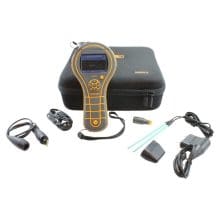
We assess the relevant areas, looking at damp symptoms, moisture patterns, timber condition, ventilation and building defects.
3. We diagnose
We identify the likely cause rather than assuming every damp problem is rising damp or failed damp proofing.
4. You get answers
You receive clear findings, practical recommendations and a written report explaining what should happen next.
Why we charge for surveys
We charge for damp and timber surveys because proper diagnosis takes time, experience and professional judgement.
The survey fee covers our inspection, advice and written report. It also helps keep our recommendations independent.
We are not relying on selling unnecessary damp proof courses, tanking systems or timber treatments to make the visit worthwhile.
The problem with some free surveys
A free survey can sound appealing, but it is worth asking how the company earns money from the visit.
If a company only gets paid when it sells remedial work, there can be pressure to recommend a treatment whether it is the correct solution or not.
This is how property owners can end up paying for chemical damp proofing, hacking off plaster or tanking when the real cause has not been properly diagnosed.
What your report includes
- Description of the property and areas inspected
- Survey findings and observations
- Moisture and timber-related evidence where relevant
- Likely cause of the problem
- Clear recommendations
- Site map or layout where required
- No-obligation quote if DampServe works are suitable and required
The report is written clearly, so you understand the issue without jargon or pressure.
When treatment is needed
DampServe can carry out small remedial treatments where appropriate, but only after the survey has identified the cause and confirmed that treatment is genuinely required.
In many cases, the correct solution may be maintenance, ventilation improvements, external repairs, lowering ground levels, fixing leaks or using a suitable local tradesperson.
Our recommendation will always be based on the property, the evidence and the correct repair method.
Who our surveys are for
Home buyers
For damp or timber issues raised in a mortgage valuation, homebuyer report or building survey.
Homeowners
For damp, mould, staining, condensation, timber decay or recurring moisture problems.
Landlords and agents
For clear evidence before arranging repairs or responding to damp and mould concerns.
Second opinions
For clients who already have a damp report and want independent advice before agreeing to costly work.
Book a DampServe survey
We offer damp surveys, timber surveys, damp and timber surveys, pre-purchase reports and homeowner investigations.
Survey prices start from £190.
How to contact us
- Call and speak directly with our team
- Complete our contact form
- Email info@dampserve.com
- Send an existing report if you would like a second opinion
The right diagnosis can save you thousands
Getting the diagnosis wrong can lead to unnecessary treatment, wasted money, avoidable disruption and repairs that do not solve the real problem.
Accurate diagnosis. Honest advice. The correct treatment only where necessary.