
Condensation, damp and mould investigations · England and selected Welsh areas
Condensation & Mould Surveys, Reports and Solutions
Paid professional condensation and mould surveys with written reports for homeowners, tenants, landlords, letting agents, councils and housing associations. Understand what is causing condensation, mould or damp before choosing a solution.
Condensation and mould problems are common in homes, rented properties and commercial buildings, especially in colder weather. Water appearing on walls, floors or skirting boards is sometimes condensation rather than a leak or rising damp. However, not every mould problem is caused by condensation: leaks, penetrating damp, cold bridging, insulation defects, ventilation and other building issues may contribute.
Our survey considers accessible evidence to identify likely moisture sources and proportionate next steps. We can also quote for suitable extractor fans, ventilation improvements, damp treatments and other justified remedial work.
Our standard paid surveys include a no-obligation quotation where suitable DampServe remedial work is justified. A report-only inspection can be requested. You are under no obligation to proceed with treatment.
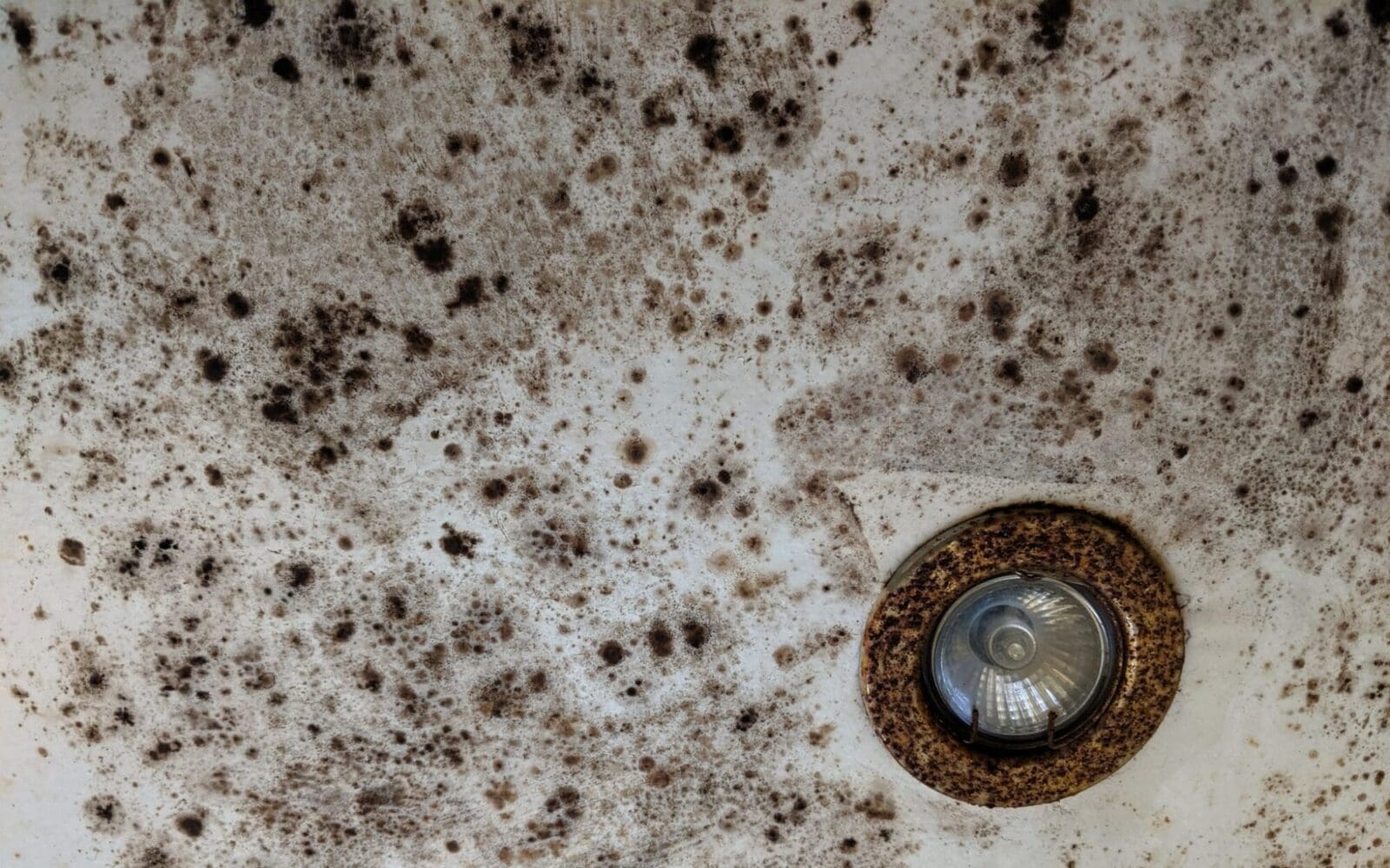
Diagnosis first. Practical condensation and mould recommendations based on the findings.
One of the most common sources of confusion
Water coming through the walls or up from the floor? It may be condensation.
Wet walls, black mould, dripping windows, damp skirting boards and moisture at floor edges can look like penetrating or rising damp, but they do not establish the cause.
Why a wall or floor can look wet
When humid indoor air meets sufficiently cold surfaces, moisture can condense on the wall, window reveal, floor edge or behind furniture. In colder conditions, condensation may be mistaken for water entering from outdoors or rising from the ground.
Equally, a real leak, rain penetration or ground moisture can occur. An inspection is needed to distinguish these causes and identify mixed problems.
What an investigation looks for
- Patterns and locations of staining, droplets and mould
- Room and surface temperatures, humidity and dew-point risk where appropriate
- Extractor-fan provision, operation, vents and airflow
- Cold bridges, insulation, heating and indoor moisture sources
- Accessible plumbing, roof, rainwater and external defects
We do not recommend a chemical damp-proof course simply because a wall is wet.
Condensation diagnosis
We assess whether moisture is condensation-related or caused by another damp source.
Mould advice
Practical guidance on mould, ventilation, heating, cold surfaces and moisture control.
Landlord and housing reports
Written evidence for private landlords, tenants, councils, housing associations and managing agents.
Surveys and treatments
Written report, with a quotation for justified work on standard paid surveys; report-only available on request.
Who we help
Condensation and mould reports for homeowners, tenants, landlords and social housing
Clear observations and practical solutions without automatically blaming occupants or property owners.
Homeowners and homebuyers
Find out whether water on walls or floors, mouldy bedrooms, damp corners or musty smells may be related to condensation, leaks, insulation or another issue before spending money on repairs.
Private landlords and letting agents
Investigate tenant-reported damp or mould through a documented, evidence-led inspection. The written findings can help explain maintenance needs, ventilation performance, heating or moisture-management considerations and proportionate follow-up action.
Tenants and contract-holders
We can investigate reported conditions and provide professional written observations subject to access and the agreed instruction. A survey does not pre-judge responsibility or override the landlord’s legal obligations.
Local councils
Technical damp and mould investigations can help housing teams understand reports of recurrent moisture problems and identify possible next steps. Ask us about a clearly defined inspection scope for an individual property.
Housing associations and social landlords
Written reports can support asset, repairs and housing officers investigating condensation, damp and mould complaints, including appropriate recommendations for extraction, repairs or further specialist checks.
Property managers and professionals
Useful when a previous inspection, tenant complaint or property transaction raises questions about the likely causes of condensation, black mould or other damp symptoms.
Investigate before treating
Is it condensation, damp, a leak or poor ventilation?
Different causes can produce similar staining. The right solution depends on identifying the actual moisture source.
Condensation survey
Inspect visible staining, mould, ventilation, cold surfaces and likely moisture sources.
Mould investigation
Assess black mould, mildew, musty smells, corners, cupboards, wardrobes and windows.
Landlord & tenant reports
Clear findings where damp, ventilation or the need for repairs must be understood.
Ventilation advice
Practical recommendations on extract fans, airflow, heating, insulation and humidity.
The inspection and written evidence
How we investigate damp, mould, condensation and ventilation
The exact checks and equipment depend on the building, access, agreed scope and evidence available at the visit.
1. Property history and symptoms
Which rooms are affected, when the problem appears, seasonal changes, previous repairs, recurring mould and relevant heating or ventilation information.
2. Interior and exterior observations
Visible staining, mould distribution, surface condition and accessible rainwater, plumbing, masonry and roof-related factors that may contribute to dampness.
3. Condensation risk and ventilation
Relevant temperature and humidity observations, cold surfaces, extraction provision, blocked vents and airflow, where they can be assessed within the agreed inspection.
4. Moisture findings in context
Where readings are taken, they are considered with construction, finishes, salts and other evidence. A moisture-meter reading alone does not prove rising damp.
5. Reasoned findings
A written PDF report explains accessible observations, the most likely contributing factors, limitations and practical recommendations. Some cases need follow-up monitoring or further investigation.
6. Suitable next steps
Where justified, we can discuss extractor-fan installation or upgrades, ventilation, moisture control, building repairs and damp or mould treatment; standard paid surveys can include a quotation.
Report scope: DampServe reports are technical survey findings, not automatically an HHSRS enforcement assessment, expert-witness report, laboratory mould analysis, health assessment or legal ruling. Any specialist requirement should be agreed before inspection.

Understanding the problem
What causes condensation?
Condensation occurs when warm, moisture-laden air meets a cooler surface and water droplets form. It often affects windows, external walls, ceilings, corners, wardrobes, cupboards and areas behind furniture where airflow is restricted.
Common moisture sources include cooking, showering, bathing, drying clothes indoors, and normal daily activities. Inadequate extractor fans, reduced background ventilation, uneven heating, cold bridges and insulation defects can increase the risk.
Leaks, penetrating damp and other building defects can sometimes produce similar symptoms or contribute to excess moisture, which is why a survey should consider the whole property.
Common signs of condensation
- Water running down window glass
- Black mould on cold external walls
- Mould around windows, ceilings and corners
- Musty smells in bedrooms, cupboards or wardrobes
- Growth behind furniture and stored items
- Peeling paint or wallpaper
- Damp patches that become worse in colder weather
Evidence-led investigation
Why mould and damp are often misdiagnosed
Condensation can cause mould, but damp patches and staining can also come from plumbing leaks, penetrating damp, defective gutters, high ground levels, roof defects, chimney issues or trapped moisture.
Some properties are wrongly diagnosed as needing damp proofing when ventilation, cold bridging or a localised defect is the real issue. Equally, some problems are described as “just condensation” when a leak or external fault is present.
Our survey considers the moisture pattern, accessible building fabric, ventilation, room use and available evidence before explaining the most likely causes.
Possible contributing factors
- Condensation and inadequate ventilation
- Cold bridges and insulation defects
- Plumbing, roof, gutter and downpipe leaks
- Penetrating damp through walls, render or pointing
- High humidity and drying clothes indoors
- Blocked or unsuitable extract fans
- Maintenance and building-use factors

Landlords, councils and housing providers
Investigating a tenant’s damp or mould complaint fairly
Mould is a property condition to investigate, not a reason to assume that a tenant, landlord or housing provider is at fault.
Document the problem and look for the cause
Whether a tenant reports black mould, wet walls, a damp bedroom or water at the floor edge, the investigation should look at the property and the circumstances together. Building defects, ineffective ventilation, excess cold, insulation and normal daily moisture production can interact.
We aim to explain the likely causes and what can be improved, while recognising that a visual inspection or single visit may not settle every uncertainty.
Make the next action clear
- Record reported and visible locations of damp or mould
- Consider functioning extraction, heating and building condition
- Identify repairs or ventilation measures where justified
- Explain relevant everyday moisture-management measures respectfully
- Describe further investigation or monitoring where necessary
- Provide a written report to support informed decisions
Landlords and housing providers remain responsible for assessing hazards, communicating with residents and meeting applicable legal requirements.
Solutions depend on the cause
Practical treatments and prevention
There is no single fix for every condensation or mould problem. Depending on the findings, a property may benefit from better ventilation, improved heating patterns, insulation work, mould cleaning, repairs to leaks or gutters, investigation of cold bridges, or appropriate moisture-control advice.
DampServe investigates before recommending treatments. We do not assume that every damp or mould problem needs damp proofing, membranes or chemical treatment.
Where DampServe remedial works are justified, the standard paid survey includes a no-obligation quotation. A report-only service can be requested, with no obligation to proceed with treatments.
Who can use our reports?
- Homeowners
- Landlords
- Tenants
- Managing agents
- Homebuyers
- Councils and housing associations
- Commercial clients
Survey, advice and remedial work
Condensation control often starts with ventilation — but we can also carry out treatment
The goal is to reduce the moisture problem and avoid unnecessary damp-proofing treatment.
Extractor fans and ventilation
Where justified, repairs, suitable replacement or fitting bathroom and kitchen extractor fans, improving airflow or addressing inadequate extraction may be recommended. Any installation must suit the property and applicable regulations.
Heating and everyday moisture management
Practical, non-judgemental advice may address consistent heating, drying clothes, use of extractor fans, bathroom moisture and keeping air moving around colder surfaces. Advice must be realistic for the household and cannot substitute for necessary repairs.
Cold bridges and insulation
Cold corners, window reveals, poorly insulated areas and restricted airflow can encourage condensation. Depending on the cause, further insulation or thermal-bridge investigation may be appropriate.
Mould cleaning and surface treatment
When appropriate, mould removal and treatment can be part of a plan, but cleaning or paint alone will not resolve an uncorrected moisture source. Larger or high-risk areas need appropriate professional handling.
Leaks, damp and building repairs
Where a genuine leak, rain penetration, rising damp or another building defect is found, repairs or damp-proofing measures may be necessary. DampServe can provide suitable remedial work where justified and within the agreed scope.
Written recommendations and quotes
Standard paid surveys start from £190, subject to postcode and agreed scope. A written PDF report records findings and recommendations. A no-obligation quote for suitable DampServe work is included where justified; report-only is available on request.
What the investigation covers
What does a professional condensation and mould survey include?
The exact checks depend on your property, the agreed scope and safe access.
During the survey, we may check
- Affected rooms and visible mould growth
- Ventilation provision and airflow
- Condensation patterns and cold surfaces
- Heating, insulation and moisture generation where relevant
- Possible leaks, penetrating damp and external defects
- Moisture readings and interpretation where appropriate
- Photographs and written observations
- Practical recommendations and next steps
- A written PDF report and a quotation for appropriate DampServe remedial work on standard paid surveys, where justified
Practical recommendations and repairs
- Installation or upgrading of suitable bathroom and kitchen extractor fans where appropriate
- Background ventilation and airflow improvements
- Safe, appropriate mould removal and surface treatment where required
- Heating and humidity management
- Insulation or cold bridge investigation
- Repairing leaks, gutters, roofs, pointing or external defects
- Moving furniture away from cold external walls
- Safer management of indoor clothes drying
How the findings help
Common condensation survey outcomes
The report may identify one cause or several contributing factors.
Condensation
Warm humid air depositing moisture on cold surfaces.
Poor ventilation
Extract fans, air vents or general airflow are inadequate.
Cold bridging
Local cold surfaces may encourage mould growth.
Leak or defect
Plumbing or building faults are creating moisture.
Mixed causes
Several moisture sources are affecting the property.
Regulations and housing standards
Damp and mould responsibilities in England and Wales
The rules depend on the country and housing tenure. The information below is general guidance, not legal advice or a determination of a particular landlord’s compliance.
Wales — Renting Homes and housing quality
Under the Renting Homes (Wales) Act 2016 and the Renting Homes (Fitness for Human Habitation) (Wales) Regulations 2022, landlords must consider damp and mould growth and cold conditions when ensuring a dwelling is fit for human habitation.
For Welsh social housing, the Welsh Housing Quality Standard (WHQS) 2023 includes a requirement for homes to be free from damp, including persistent condensation. WHQS element 1c, effective from 1 April 2026, provides defined investigation and remedy timescales for specified significant hazards caused by disrepair or building defects within the landlord’s control.
Welsh Government: fitness for human habitation · WHQS guidance · WHQS 2026 addendum
England — housing hazards and Awaab’s Law
The Housing Health and Safety Rating System (HHSRS) addresses residential hazards including damp and mould. In English private rented housing, relevant duties include repair and fitness requirements; precise rights and remedies depend on the tenancy and circumstances.
Awaab’s Law came into effect for English social housing on 27 October 2025, covering significant damp-and-mould hazards and emergency hazards under statutory response times. Further hazards are scheduled for later phases. It does not apply in Wales and is not yet in force for English private tenancies as of November 2026.
Awaab’s Law official guidance · Government damp and mould guidance
Ventilation regulations: Extractor fans and alterations to heating or ventilation can involve Building Regulations. Requirements and technical guidance differ between England and Wales and according to the work and building. The relevant edition of Approved Document F or applicable Welsh guidance should be checked before installation.
Helpful answers
Condensation & mould FAQs
Questions about black mould, ventilation, damp diagnosis and professional written reports.
No. Black mould is often related to condensation, but other moisture sources such as leaks, penetrating damp and cold bridging may be involved. A survey helps identify the likely cause.
Yes. Moisture readings and staining can be misinterpreted without assessing the wider building context. Condensation, salts, leaks, bridging and penetrating damp can produce similar-looking problems.
Usually not. Condensation is generally addressed by managing moisture, ventilation, heating, airflow and cold surfaces, together with repairs to any defects. Damp proofing alone does not solve condensation.
Yes. We provide paid professional investigations and written reports for landlords, tenants, managing agents and other property clients, subject to the agreed survey scope and safe access.
Yes. Where appropriate remedial works are needed, the standard paid survey includes a no-obligation quotation. You can instead request a report-only service, and there is no obligation to use our treatment services.
The solution depends on the underlying cause. It may involve reducing moisture generation, improving ventilation or heating, addressing cold surfaces, and repairing leaks or external defects.
Condensation on cold surfaces can look like water ingress or rising damp, especially around skirting boards, corners, windows and floor edges. Leaks, rain penetration and ground moisture may cause similar symptoms. A survey checks the likely contributing factors rather than guessing from appearance alone.
Yes. We provide evidence-led inspections and written technical findings for landlords and letting agents. We consider both the property and relevant ventilation, heating and moisture circumstances without assuming who is responsible. The landlord retains their legal duties.
Yes, we welcome enquiries about individual properties and defined survey programmes subject to location, capacity and agreed scope. Reports can support repairs planning and communication but are not automatically statutory HHSRS assessments.
We can assess appropriate ventilation improvements and arrange or quote for suitable fan fitting, moisture-related repairs or treatments where the findings justify them. We also provide recommendations for heating and everyday moisture management; not every case needs specialist damp proofing.
Paid professional surveys start from £190. A confirmed quote depends on postcode, property size, travel, access, survey requirements and the agreed reporting scope.
No. Awaab’s Law applies to social housing in England and has been introduced in phases since 27 October 2025. Wales has separate rules, including Renting Homes fitness-for-human-habitation requirements and Welsh Housing Quality Standard provisions for social landlords.
No single conclusion can be drawn from the presence of mould. Defective extraction, inadequate insulation, cold bridges, leaks, heating limitations and indoor moisture sources can interact. We assess relevant evidence and give proportionate practical recommendations without assigning blame.
Cleaning or protective coatings can address visible surface mould but will not fix an unresolved moisture problem. Dehumidifiers may help manage humidity in some circumstances, but the appropriate long-term response depends on ventilation, heating, fabric condition and any leaks.
Yes. Poor airflow and cold surfaces can lead to condensation behind furniture and at wall-floor junctions. Underfloor moisture can also have other causes, including leaks or ground moisture, so these should not be assumed to be condensation without investigation.
Not every damp and mould investigation requires laboratory testing. The first priority is generally to find and correct the moisture source. Specialist sampling or monitoring may be appropriate in particular circumstances and would need a separately agreed scope.
Health, prevention and timely action
Why persistent damp and mould should be investigated promptly
Damp and mould may affect health, particularly for children, older people and those with respiratory or immune conditions. The property needs appropriate investigation and action, not just repeated cleaning.
Visible mould, hidden mould and odours
Black mould behind wardrobes, around windows, on bedroom ceilings or under finishes can be associated with persistent condensation or water ingress. The colour of mould alone does not identify its species or establish the hazard. We focus on moisture source and building condition rather than promising a visual identification of mould type.
When urgent attention is needed
Report substantial or rapidly worsening damp and mould promptly, particularly if vulnerable residents are affected. Follow applicable landlord and housing-provider procedures and seek medical advice where symptoms or health concerns arise. DampServe’s technical report is not a medical diagnosis or emergency response service.
Our service areas
Condensation surveys across England and selected areas of Wales
We welcome enquiries across our serviced parts of England and Wales, including North Wales. Availability and survey fees depend on the full property postcode and scope; we do not offer South Wales coverage.
Get professional answers
Need a condensation or mould survey?
Book a paid, diagnosis-led investigation to understand the cause and receive a clear written report with practical next steps.