
Damp and Timber Survey Manchester
Need a damp and timber survey in Manchester for a house purchase, mortgage, HomeBuyer Report follow-up, property you own, landlord issue, damp walls, mould problem, woodworm concern, wet rot or dry rot?
Dampserve provides survey-first damp and timber reports across Manchester and Greater Manchester for homebuyers, homeowners, landlords, sellers, mortgage brokers, solicitors, estate agents, commercial clients and property professionals.
Surveys are carried out by Mr Thomas (CSTDB / CSRT), an experienced damp and timber specialist surveyor with Property Care Association (PCA) training and practical knowledge of Manchester terraces, period homes, Edwardian houses, Victorian properties, listed buildings, modern flats, rental homes, cellars, basements and commercial properties.
Our easy to read/understand written reports are designed to help you understand whether damp or timber concerns are active, historic, minor, maintenance-related, condensation-related, lender-related or likely to require targeted remedial work. Reports are supplied as a PDF by email and can be forwarded to buyers, lenders, brokers, solicitors, valuers, estate agents or property professionals.
Reports start from £190, with the fee depending on property size, access, survey scope and whether the report is for a standard home, larger property, commercial building or mortgage-related instruction.
- CSTDB / CSRT qualified damp and timber surveyor
- Survey-first reporting before any quote or treatment recommendation
- Reports from £190, supplied as a PDF by email
- Suitable for HomeBuyer Report follow-ups, mortgage requests and pre-purchase reports
- Manchester and Greater Manchester – Didsbury, Salford, Stockport, Sale, Bolton, Wigan, Oldham, and Altrincham
Call Today - 0800 368 9161
CSTDB / CSRT
Qualified damp and timber surveyor
PCA Trained
Specialist timber and damp knowledge
Survey-First
Diagnosis before any quote
Reports From £190
PDF report supplied by email
Real on-site survey inspection photos from properties in Manchester and the surrounding towns and villages.

Woodworm was found on a timber survey for a homeowner in Didsbury.

Our surveyor, Mr Thomas, is plotting up a wall for moisture during a pre-purchase survey in a terraced house in Bolton.
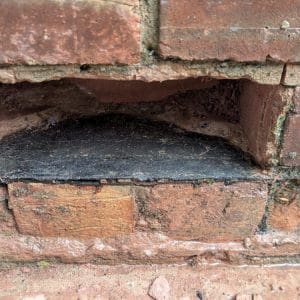
A damp-proof course was exposed in Manchester as part of a dispute during a court case with our client and another damp contractor.

Wet rot was found affecting joists during a damp and timber survey on a listed building in Wilmslow.

Dampness pulling through on the dot-and-dab system on a chimney breast in a property in Oldham.

High relative humidity and low internal temperatures are causing condensation and mould growth in a rental property in Wigan.
Why Choose Dampserve for a Damp and Timber Survey in Manchester?
Dampserve is built around a survey-first, diagnosis-led approach. The purpose of the inspection is to establish what is actually causing the problem before anyone considers damp-proofing, tanking, timber treatment, replastering, ventilation upgrades or repair work.
Many Manchester properties are wrongly assumed to need a new damp-proof course or timber treatment when the issue may be caused by condensation, poor ventilation, high external ground levels, bridging, defective gutters, roof defects, leaks, chimney salts, cellar moisture, lateral damp or historic woodworm evidence.
Our job is to inspect, explain and report clearly. If no specialist damp or timber work is needed, the report will say so. If minor works are genuinely required, a separate no-obligation quote can be provided only if the client requests it.
- Manchester damp and timber surveys for buyers, lenders, landlords, homeowners and property professionals
- Fully qualified surveyor with Property Care Association training
- Clear advice on damp, timber decay, woodworm, wet rot, dry rot, mould and condensation
- Suitable for mortgage damp reports, HomeBuyer Survey follow-ups and pre-purchase reports
- No pressure to proceed with work
- No generic tanking, damp-proofing or timber treatment recommendations
- Optional no-obligation quote only where work is genuinely required and requested
- Experience with Manchester terraces, period homes, cellars, basements, flats, rental properties and commercial buildings
Book Your Manchester Damp Survey Today
Our Damp and Timber Survey Services in Manchester
Pre-Purchase & HomeBuyer Reports
Damp and timber reports for property buyers, HomeBuyer Survey follow-ups, Building Survey recommendations, lender requests, conveyancing issues and pre-exchange decisions.
Mortgage Damp Reports
Written reports for mortgage, remortgage, equity release, broker, lender, valuer or solicitor requests where a specialist damp and timber assessment has been recommended.
Homeowner, Landlord & Commercial Reports
Reports for homeowners, landlords, rental disputes, offices, retail units, industrial buildings, commercial purchases and property portfolios.
Condensation & Mould Surveys
Assessment of black mould, elevated humidity, cold surfaces, ventilation, heating patterns, rental complaints and recurring damp patches.
Woodworm & Timber Decay
Inspection of accessible timbers for active or historic woodworm, wet rot, dry rot, fungal decay, soft timber, damaged skirting, floor concerns and moisture-related timber risk.
Rising Damp & Damp Wall Diagnosis
Assessment of damp, moisture patterns, possible bridging, salts, leaks, external defects, ground levels, chimney breast damp and whether a damp-proofing recommendation is actually justified.
Independent-Style Survey-First Reporting vs Free Damp Surveys
Many damp-proofing and timber treatment companies advertise free or very cheap surveys. Some are useful, but many are linked to selling remedial works such as chemical damp-proof courses, tanking, timber treatments, membranes, replastering or ventilation products.
Dampserve charges for the survey because the inspection and written report are the service. This gives you a diagnosis-led report first, before any work is considered.
| Free or contractor-led visit | Dampserve survey-first report |
|---|---|
| Often linked to selling treatment | Paid inspection and written diagnosis |
| May produce a generic remedial quote | Report explains likely cause and next steps |
| May focus on damp-proofing or timber treatment | Considers condensation, leaks, bridging, salts, ventilation and maintenance |
| Works may be the main commercial goal | The report comes first and stands on its own |
| May not separate active defects from historic evidence | Findings are explained as active, historic, minor, maintenance-related or requiring action |
Honest Reports, Even When No Work is Needed
A Manchester damp and timber survey may conclude that:
- No specialist damp or timber treatment is needed
- The issue is mainly condensation or ventilation-related
- External maintenance such as gutters, pointing, ground levels or leaks should be corrected
- Woodworm evidence appears historic rather than active
- Timber decay is localised and linked to a specific moisture source
- Further investigation is needed because access was restricted
- Targeted remedial work is justified by the evidence
Where genuine minor works are identified, clients may request a separate no-obligation quote. There is no pressure to proceed, and clients remain free to obtain other prices, negotiate with a seller, use another contractor or simply keep the report for decision-making.
What is a Damp and Timber Survey?
A damp and timber survey is a specialist inspection of a property for signs of dampness, moisture-related defects, timber decay and wood-boring insect attack. It is commonly requested during property purchases, mortgage applications, landlord investigations, commercial acquisitions and where damp or timber defects have been reported.
Subject to your instructions and available access, our Manchester surveyor may assess:
- Condensation, mould and high humidity
- Penetrating damp from external defects
- Possible rising damp and bridged damp-proof courses
- Salt contamination and chimney breast damp
- Leaks, high ground levels and trapped moisture
- Accessible floor, skirting, roof and joinery timbers
- Woodworm, wet rot, dry rot and fungal decay
The findings are compiled into a written damp and timber report explaining what was observed, the likely cause, the risk level and the sensible next steps.
When is a Damp and Timber Survey Needed?
Damp and timber surveys are commonly required:
- After a HomeBuyer Report, Building Survey or valuation survey
- When a lender asks for a specialist damp and timber report
- Before buying or selling a property
- For remortgage and equity release cases
- When a tenant reports damp, mould or condensation
- When woodworm, wet rot, dry rot or timber decay is suspected
- When previous contractor advice appears conflicting
- When recurring damp problems need proper diagnosis
Surveyors and lenders may use phrases such as “further specialist investigation required,” “high damp meter readings,” “timbers in contact with damp masonry” or “specialist damp and timber report required.” Our report helps establish what is actually wrong and whether treatment is needed at all.
Damp and Timber Report After a HomeBuyer Survey in Manchester
Many clients contact us after a HomeBuyer Report, Building Survey, mortgage valuation, lender, broker or solicitor has asked for a specialist damp and timber report in Manchester.
The original survey wording is often cautious and brief. It may mention high damp meter readings, suspected rising damp, possible timber decay, woodworm flight holes, damp walls, soft timber, mould or a recommendation for further investigation by a damp and timber specialist.
Our Manchester survey is designed to look beyond the original wording. We assess accessible areas, consider internal and external causes, review moisture patterns, check timber risk where relevant and provide a clear written report explaining whether the issue appears active, historic, minor, maintenance-related, condensation-related or likely to require further action.
This service is suitable if you need:
- A damp and timber report after a HomeBuyer Survey
- A mortgage damp report or lender-requested report
- A report before exchange, completion, remortgage or equity release
- A PDF report that can be forwarded to your broker, solicitor, lender or estate agent
Damp and Timber Survey for Buying a House in Manchester
If you are buying a house, flat, terrace, apartment or commercial property in Manchester, a pre-purchase damp and timber survey can help you understand the true condition of the building before you commit.
This is particularly useful where there are damp patches, staining, damaged plaster, musty smells, visible mould, woodworm holes, soft skirting boards, springy floors, cellar damp, high external ground levels or concerns raised by another surveyor.
Our role is not to alarm buyers or sell unnecessary remedial work. The aim is to provide practical, evidence-based advice so you can decide whether the property is generally sound, whether simple maintenance is likely to resolve the issue, whether negotiation may be appropriate or whether further specialist works should be considered.
Fast Damp and Timber Reports in Manchester
Need an urgent damp and timber report in Manchester for a mortgage, sale, remortgage, equity release or conveyancing deadline?
Where diary space allows, we can book surveys quickly, liaise with vendors, estate agents or property contacts and help keep the process moving from enquiry through to report delivery.
Written reports are usually issued within five working days of the survey, subject to property size, access and survey scope. We can sometimes offer next-day reports for an additional cost where agreed in advance and where the inspection scope allows it.
You will receive a PDF copy of the report by email, ready to forward to your lender, broker, solicitor, estate agent or other property professional.
Manchester Property Types We Regularly Inspect
Manchester has a wide mix of property types, and damp or timber problems often vary depending on age, construction and maintenance history. We regularly inspect:
- Victorian and Edwardian terraces with suspended timber floors
- Older houses with cellars or basement moisture
- Converted houses, flats and HMOs
- Modern apartments with condensation, mould or ventilation issues
- Rental properties where tenants have reported damp or black mould
- Commercial buildings, offices, shops and mixed-use properties
- Pre-purchase properties where a lender or surveyor has requested a specialist report
This local experience helps us consider the building as a whole rather than jumping straight to a chemical damp-proof course, tanking system or timber treatment.
Common Damp and Timber Issues in Manchester Properties
During damp and timber surveys in Manchester, we commonly assess low-level damp readings, chimney breast salts, bridged damp-proof courses, high external ground levels, defective rainwater goods, ageing pointing, roof leaks, poor sub-floor ventilation, cellar damp, condensation, mould growth, wet rot, dry rot and historic woodworm evidence.
The important point is that the same damp patch can have very different causes. A wall that looks like rising damp may actually be affected by condensation, bridging, salts, penetrating damp, a plumbing leak, external defects or trapped moisture. A timber with flight holes may not have an active infestation.
A proper Manchester damp and timber report should explain the likely cause, the level of risk, whether treatment is needed and what practical next steps are sensible.
Woodworm Survey Manchester
A woodworm survey checks whether visible flight holes, frass, damaged timbers or insect evidence appear active, historic, localised or significant. We consider the timber type, moisture conditions, ventilation, access and whether treatment is actually required.
Wet Rot & Dry Rot Survey Manchester
Wet rot and dry rot inspections look at accessible timber decay, fungal growth, moisture sources, leaks, damp masonry, poor sub-floor ventilation, cellar conditions and whether decay appears localised or more serious.
Rising Damp Survey Manchester
A rising damp survey should not simply assume a failed damp-proof course. We assess whether low-level damp is genuinely consistent with rising damp or whether it may be caused by bridging, salts, condensation, leaks, high ground levels, defective external details or trapped moisture.
Manchester Survey Examples
These examples show the type of issues a Manchester damp and timber survey can help clarify.
Pre-Purchase Survey – Manchester Terrace
A buyer requested a damp and timber report after a HomeBuyer Survey flagged high damp readings to the ground floor. The inspection considered external ground levels, ventilation, wall finishes, moisture patterns and accessible timber risk before setting out practical next steps for the buyer.
Condensation Survey – Manchester Apartment
A property owner had recurring mould and damp patches around cold external walls. The survey considered ventilation, humidity, heating patterns, cold surfaces and possible building defects before giving practical recommendations.
Timber Inspection – Woodworm & Decay Concerns
A client needed advice on visible flight holes and possible timber decay. The survey assessed accessible timbers, moisture sources, ventilation and whether evidence appeared active, historic, localised or requiring treatment.
How Much Does a Damp and Timber Survey Cost in Manchester?
Damp and timber survey reports usually start from around £190. The final cost depends on:
- Property size and layout
- Location and access arrangements
- Survey scope and urgency
- Whether the report is for a standard home, larger property, commercial building or mortgage-related instruction
- Whether next-day report delivery is requested and available
The fee covers the professional inspection and written report. Where minor works are genuinely required, any quote is separate, optional and only provided at the client’s request.
What You Receive in a Damp and Timber Report
- Client name, property address and survey date
- Survey scope and inspection instructions
- Property description and relevant limitations
- External observations
- Internal observations
- Assessment of dampness and moisture patterns
- Assessment of accessible timber condition
- Comments on woodworm, wet rot, dry rot or timber decay where relevant
- Conclusions and professional diagnosis
- Recommendations for further action where required
- Photographs and sketch plans where relevant
- Estimated cost guidance if specifically requested
Reports are written clearly for buyers, homeowners, landlords, estate agents, mortgage brokers, lenders and property professionals. You will receive a PDF copy by email.
Condensation, Mould & Damp Walls in Manchester
Condensation is one of the most common causes of dampness in Manchester homes. It often appears as black mould growth, water droplets on windows, damp patches on cold external walls, musty odours and decorative spoiling.
Condensation occurs when warm, humid air meets a colder surface. Poor ventilation, inadequate heating, drying clothes indoors, cooking, showering and modern sealed living environments can all contribute to elevated humidity inside the home.
In many cases, what is suspected to be rising damp turns out to be condensation, thermal bridging, penetrating damp or a maintenance issue. This is why correct diagnosis is so important.
Condensation and mould inspections are particularly useful for:
- Homeowners with recurring mould
- Landlords dealing with tenant complaints
- Rental property disputes
- Bedroom, bathroom or wardrobe mould growth
- Homes with poor ventilation or persistent window condensation

Damp Proofing, Damp Walls & Rising Damp
Damp-proofing is a general term used to describe methods of preventing moisture ingress into buildings. This may include physical damp-proof courses, chemical damp-proof courses, damp-proof membranes, waterproofing systems and tanking.
Before any damp-proofing work is considered, the actual source of moisture should be identified. Damp walls can be caused by:
- Condensation from high indoor humidity
- Penetrating damp from building defects
- Leaks from plumbing or rainwater goods
- Bridging of the damp-proof course
- Salt contamination to chimney breasts
- Lateral damp to retaining walls or basements
- External ground levels or trapped moisture
Many damp-proofing recommendations are made too quickly. Our survey-first reports are designed to determine whether damp-proofing is actually required or whether simpler building maintenance and environmental improvements will solve the problem.
Damp Proofing FAQs
Does rising damp really exist?
Yes, rising damp can exist, but it is less common than many people think. In many cases, low-level dampness is caused by bridging, condensation, salts, leaks or external moisture ingress.
Do I need a new damp-proof course?
In many cases, no. A new damp-proof course should not be the first assumption. The survey should first look for the existing DPC, check whether it is bridged and rule out more common causes of dampness.
Why damp-proof a wall?
Damp-proofing is only appropriate when the cause of dampness has been correctly diagnosed. The purpose is to protect finishes and adjacent timbers from ongoing moisture, not to mask an unidentified problem.

Woodworm, Wet Rot & Dry Rot Surveys in Manchester
Woodworm, wet rot and dry rot all require correct diagnosis before treatment is considered. Many timber issues are historic, localised or less serious than first feared. Others can be more significant and require prompt action.
When carrying out a timber survey in Manchester, our surveyor may assess:
- Whether visible woodworm evidence appears active or historic
- Whether the timber species and damage pattern suggest treatment is required
- Whether structural integrity appears affected within accessible areas
- Whether decay is more consistent with wet rot or dry rot
- What moisture source may be contributing to the problem
- Whether ventilation, leaks or damp masonry are affecting the timbers
Dry rot can be serious where moisture and poor ventilation persist. Wet rot is usually more localised to the moisture source. A specialist survey helps distinguish the two and reduces the risk of misdiagnosis.
Areas We Cover for Damp and Timber Surveys in Manchester
Dampserve carries out damp and timber survey reports across Manchester city centre and Greater Manchester, including Ancoats, Northern Quarter, Deansgate, Castlefield, Hulme, Ardwick, Longsight, Rusholme, Fallowfield, Withington, Didsbury, Chorlton, Whalley Range, Levenshulme, Burnage, Gorton, Openshaw, Clayton, Moston, Harpurhey, Blackley, Cheetham Hill, Crumpsall, Wythenshawe, Northenden, Baguley, Salford, Stockport, Sale, Altrincham, Prestwich, Oldham, Bury, Bolton and Rochdale.
Manchester postcode districts covered include M1, M2, M3, M4, M8, M9, M11, M12, M13, M14, M15, M16, M18, M19, M20, M21, M22, M23 and M40.
Nearby survey pages: Didsbury damp and timber surveys | Chorlton damp and timber surveys | Sale damp and timber surveys | Altrincham damp and timber surveys | Stockport damp and timber surveys | Salford damp and timber surveys
Client Reviews ⭐⭐⭐⭐⭐
Woodworm Survey Manchester – Mr. E. Worthing
Clear, professional and reassuring. The surveyor identified what was historic and what needed attention. We were glad we used a survey-first specialist.
Pre-purchase damp and timber survey for a property in Manchester – Mrs. S. Johnson – Homeowner
Very professional service from start to finish. Mr Thomas inspected the property and clearly explained the difference between condensation and other forms of damp. The report was detailed, easy to understand and gave us peace of mind before buying.
Damp and Timber Survey Manchester – Mr. P. Jones – Homeowner
We had concerns about damp, mould and possible timber problems. The surveyor was thorough and knowledgeable, and explained everything clearly. We now understand the real cause and what needs doing.
Dry Rot Survey Manchester – Mr. G. Murray – Homeowner
An excellent and honest service. The inspection identified dry rot we had not spotted ourselves, and the report made the next steps very clear. We felt properly informed throughout.
Condensation issue in a listed building in Manchester – Mrs. D. Bottleworth
We were convinced we had a serious damp problem. The survey showed that it was mainly due to condensation and ventilation issues. Very helpful advice and no pushy sales.
Frequently Asked Questions – Damp and Timber Surveys in Manchester
How much does a damp and timber survey cost in Manchester?
Costs vary depending on the size of the property, the scope of the inspection, access and whether the survey is for a standard home, larger home, commercial property or mortgage-related instruction. Damp and timber survey reports usually start from around £190.
Can you provide a damp and timber report after a HomeBuyer Survey?
Yes. Many Manchester clients contact us after a HomeBuyer Report, Building Survey, mortgage valuation, lender, broker or solicitor asks for further specialist investigation. We can provide a survey-first damp and timber report that explains the findings, likely causes and practical next steps.
Can you help if my lender has requested a specialist damp report?
Yes. We regularly provide damp and timber reports for mortgage, remortgage, equity release and conveyancing-related cases where a specialist damp and timber report has been requested.
How long does it take to receive the report?
In most cases, the damp and timber report is issued within five working days of the survey. Faster turnaround may sometimes be available by arrangement. Reports are supplied as a PDF copy by email.
Do I always need treatment if damp or woodworm is found?
No. Not every finding requires treatment. Some issues are historic, minor, localised or better resolved through maintenance and ventilation improvements. The point of the survey is to determine what is actually needed.
Is this different from a damp-only survey?
Yes. A damp-only survey focuses mainly on moisture problems such as damp walls, mould, condensation, leaks, penetrating damp and suspected rising damp. A damp and timber survey also considers accessible timber condition, woodworm, wet rot, dry rot, fungal decay and timber decay where relevant.
Can a survey-first damp and timber report save me money?
Yes. Survey-first reports can save clients money by identifying where damp-proofing, tanking or timber treatment is unnecessary, inappropriate or excessive. Many issues turn out to be caused by maintenance, condensation or historic evidence rather than active structural problems.
Can Dampserve carry out small remedial works after the survey?
Yes, where appropriate. The survey and report are paid diagnosis-led services first. If the report identifies minor damp, timber, ventilation, plastering, maintenance or remedial works, clients may ask us for a separate no-obligation quote. There is no pressure to proceed and no obligation to use Dampserve for any follow-on work.
Do you cover all of Manchester for damp and timber surveys?
Dampserve carries out damp and timber survey reports across Manchester, including Manchester city centre, Northern Quarter, Ancoats, Deansgate, Castlefield, Hulme, Ardwick, Longsight, Rusholme, Fallowfield, Withington, Didsbury, Chorlton, Whalley Range, Levenshulme, Burnage, Gorton, Openshaw, Clayton, Moston, Harpurhey, Blackley, Cheetham Hill, Crumpsall, Wythenshawe, Northenden and Baguley. We also cover Salford, Stockport, Sale, Altrincham, Prestwich, Oldham, Bury, Bolton, Rochdale and the wider Greater Manchester area.
Need a Damp and Timber Survey in Manchester?
Speak to Dampserve for survey-first advice, clear written reporting, fast booking where available, PDF report delivery by email and optional no-obligation minor works help where genuinely required.
Dampserve – survey-first damp and timber surveys in Manchester for mortgage reports, pre-purchase inspections, homeowners, landlords, commercial clients, property professionals and optional minor works where genuinely required.
Damp and Timber Survey and Reports | Survey-First Damp and Timber Survey | Pre-Purchase Damp and Timber Survey and Report | Commercial Damp and Timber Survey | Damp and Timber Report for Mortgage and Equity Release | Get a Price for a Specialist Damp and Timber Survey | Damp and Timber Survey FAQs | Contact Us | Twitter/X | YouTube | Instagram